Is Steam Inhalation Better Than Steroid Nasal Sprays Long-Term?


If you deal with chronic sinus congestion, hay fever, or ongoing nasal inflammation, chances are your doctor has recommended a steroid nasal spray at some point. Corticosteroid sprays like fluticasone or mometasone are widely prescribed because they're effective at reducing inflammation in the nasal passages. But if you've been using one for months — or years — you might be wondering whether there's a better long-term solution, and whether natural alternatives like steam inhalation can offer similar relief without the downsides of long-term steroid use.
In this article, we'll compare steam inhalation and steroid nasal sprays across effectiveness, safety, and long-term suitability, so you can make a more informed decision about managing your symptoms.
How Steroid Nasal Sprays Work
Steroid nasal sprays work by reducing inflammation in the nasal lining. This helps to shrink swollen tissue, decrease mucus production, and open up the nasal passages, providing relief from congestion, sneezing, and post-nasal drip. They're commonly recommended for allergic rhinitis, hay fever, and chronic sinusitis.
For many people, steroid sprays are effective, but they usually take several days of consistent use to reach full effectiveness, and they only address symptoms while the tissue is actively inflamed — they don't hydrate or clear the sinuses directly.
Potential Downsides of Long-Term Steroid Nasal Spray Use
While generally considered safe for extended use under medical supervision, steroid nasal sprays aren't without their drawbacks, especially when relied upon indefinitely. Some commonly reported issues include:
- Nasal dryness and irritation – Long-term use can dry out the nasal lining, sometimes leading to discomfort or minor nosebleeds.
- Reduced effectiveness over time – Some users report that the spray becomes less effective the longer they use it, requiring adjustments to dosage or frequency.
- Dependency on continued use – Symptoms often return quickly once the spray is stopped, meaning many people end up using it indefinitely rather than as a short-term treatment.
- Limited effect on mucus clearance – Steroid sprays reduce inflammation, but they don't actively loosen or clear built-up mucus, which is often a major contributor to the feeling of pressure and congestion.
It's worth noting these side effects vary from person to person, and many people use steroid sprays safely for extended periods. However, for those looking to minimise long-term reliance on medication, it's understandable to look for complementary or alternative options.
How Steam Inhalation Works
Steam inhalation takes a different approach. Rather than targeting inflammation with medication, warm therapeutic mist works by:
- Hydrating and loosening thickened mucus so it drains more naturally
- Soothing dry or irritated nasal and sinus tissue
- Supporting the body's own clearance process, rather than suppressing inflammation
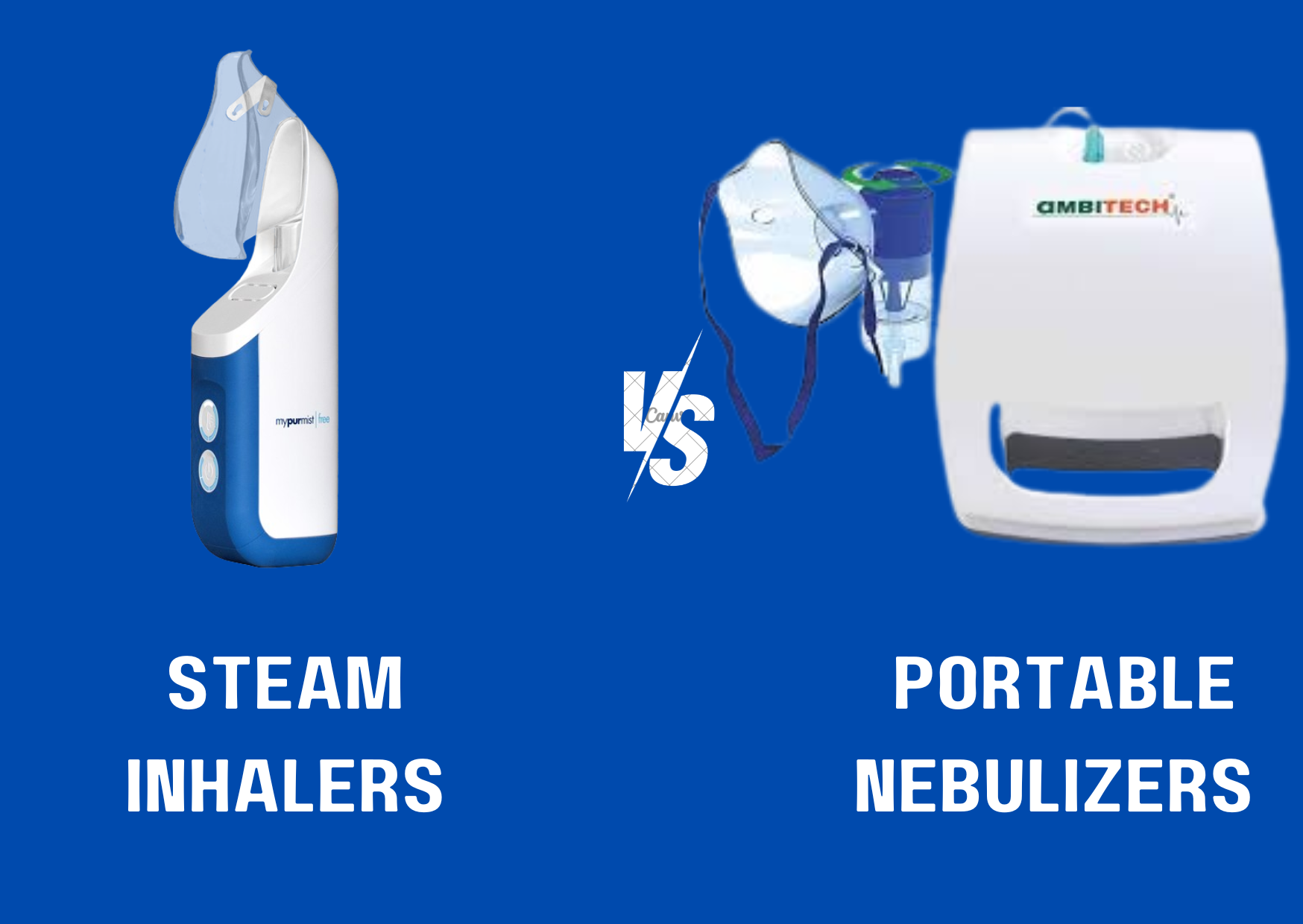
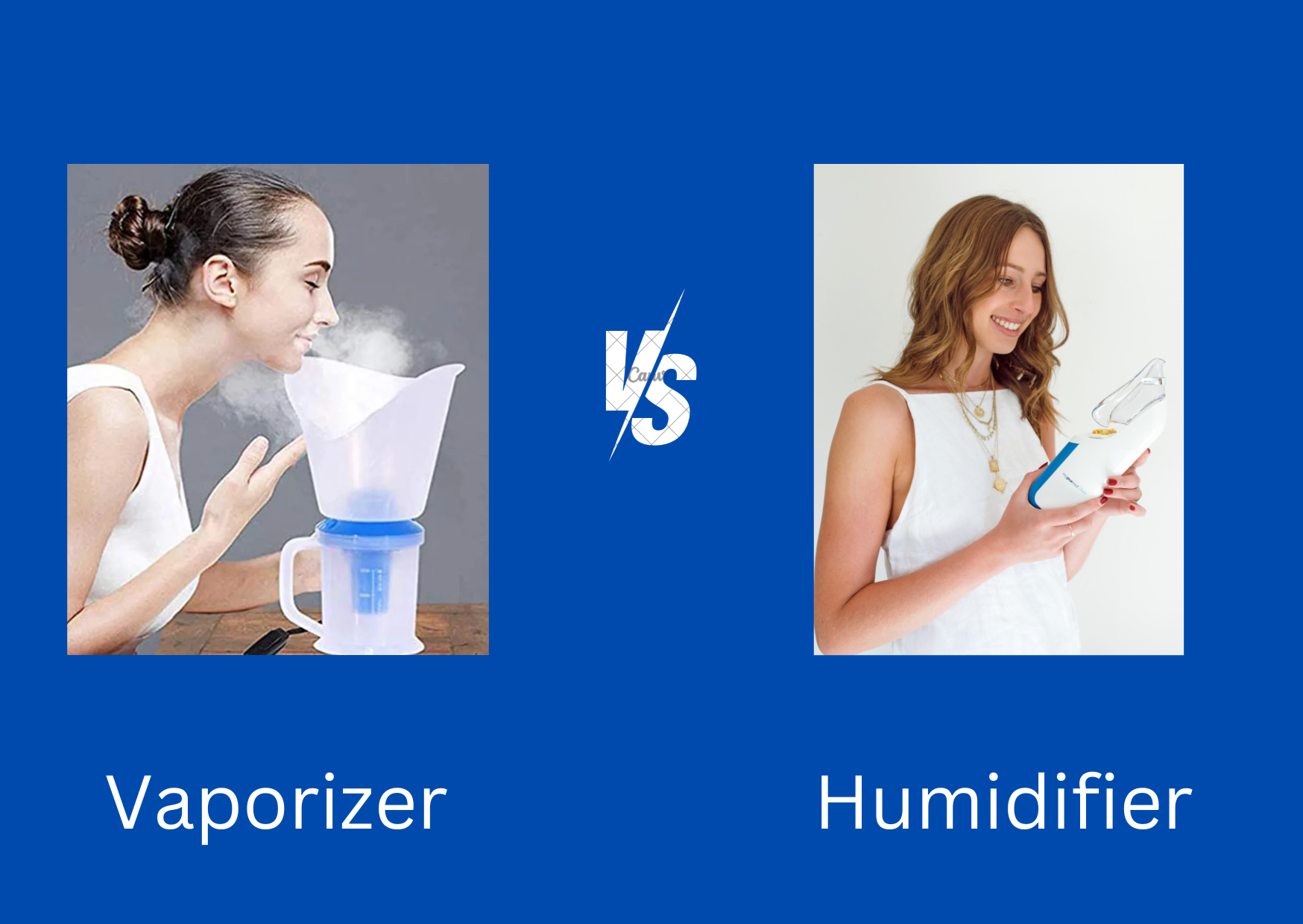
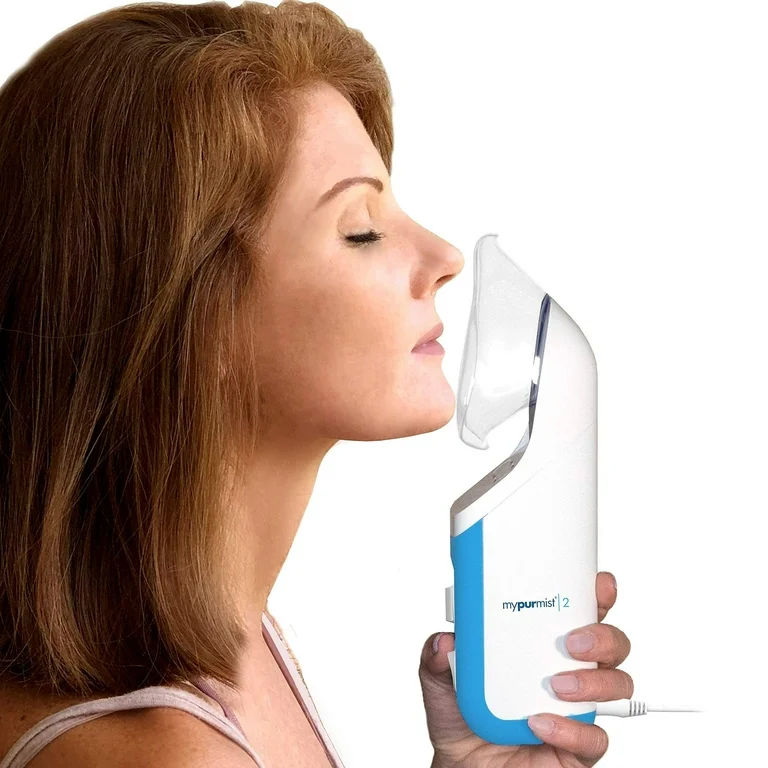
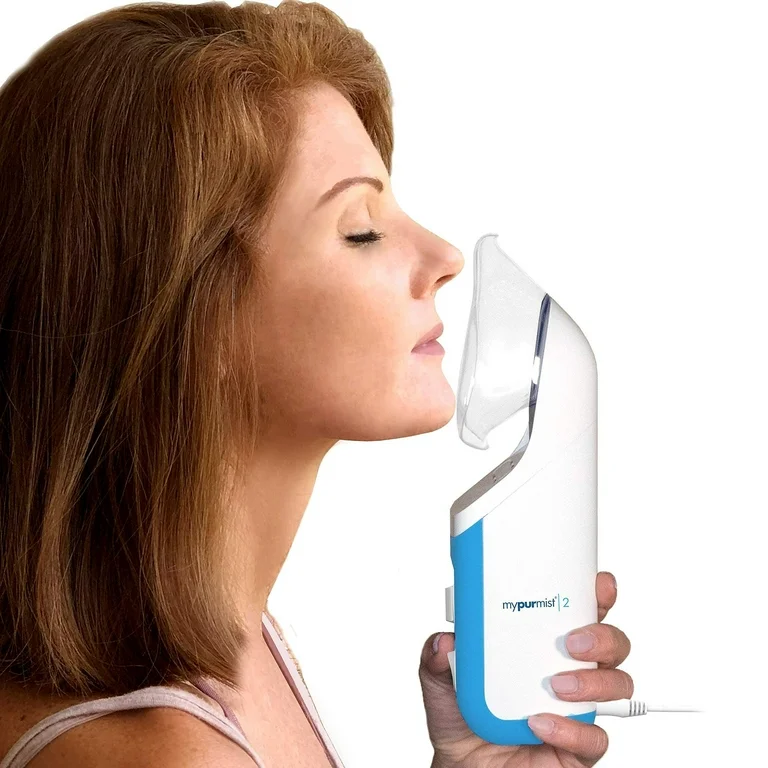
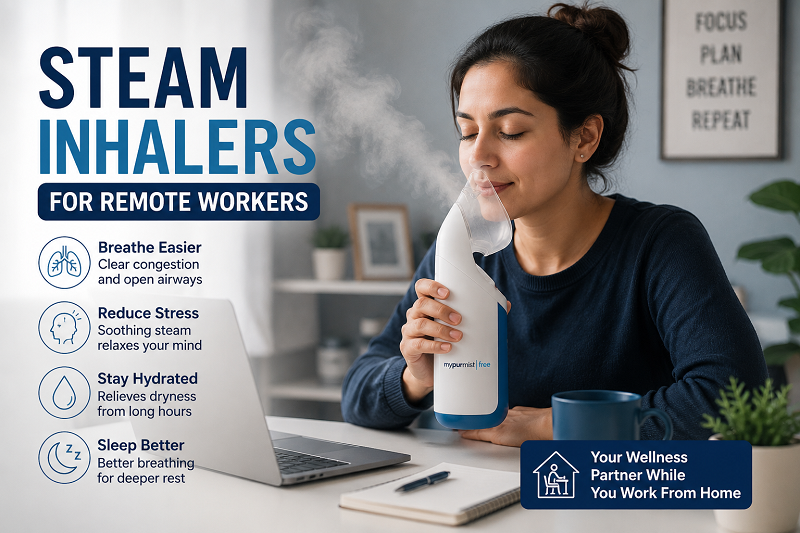
Modern personal steam inhalers improve on the old "bowl of hot water and a towel" method by delivering a controlled, filtered, temperature-adjustable mist directly to the nasal passages. Devices using medical-grade HEPA filtration and ultrapure water ensure the mist is free from germs, allergens, and pollutants, so you're not accidentally introducing anything new into already sensitive sinuses.
Comparing the Two: Effectiveness
When it comes to immediate relief, steroid sprays and steam inhalation work in different ways, so it's not always a straightforward comparison:
- Steroid sprays are more effective at directly reducing inflammation, particularly for allergy-driven congestion, but take time to build up effectiveness and don't clear existing mucus buildup.
- Steam inhalation offers more immediate, physical relief by loosening mucus and hydrating tissues, but doesn't have the same anti-inflammatory action as a corticosteroid.
For many people, the two aren't necessarily an either/or choice. Steam inhalation can be used alongside a steroid spray to support drainage and comfort, while the spray manages inflammation — offering a more complete approach to symptom relief.
Comparing the Two: Long-Term Suitability
This is where steam inhalation tends to have a clearer advantage for many users. Because it's a natural, drug-free method, there's no concern about:
- Building tolerance or reduced effectiveness with continued use
- Dependency, where symptoms rebound once you stop
- Long-term dryness or irritation from repeated steroid exposure
Steam inhalation can be used daily, indefinitely, without the same considerations that come with ongoing corticosteroid use. This makes it a particularly appealing option for:
- People who prefer to minimise medication use where possible
- Pregnant or breastfeeding individuals looking for drug-free symptom relief
- Singers and vocal performers who use steam regularly to maintain vocal health
- Anyone who has experienced dryness, irritation, or diminishing results from long-term nasal spray use
Can Steam Inhalation Replace Steroid Nasal Sprays?
For mild to moderate congestion, dryness, or occasional sinus pressure, many people find that regular steam inhalation alone is enough to manage their symptoms without needing medication at all.
For more persistent allergic rhinitis or chronic sinusitis, steroid sprays may still play an important role, particularly during high-symptom periods like spring allergy season. In these cases, steam inhalation can be a valuable complementary therapy — helping to ease discomfort, support drainage, and potentially reduce how much you rely on medication over time.
As with any change to how you manage a chronic condition, it's worth discussing your symptoms and treatment plan with your doctor, particularly if you're considering reducing or stopping a prescribed steroid spray.
The Bottom Line
Steroid nasal sprays and steam inhalation both have a place in managing sinus and nasal symptoms, but they work in fundamentally different ways. Steroid sprays target inflammation directly and can be highly effective, particularly for allergy sufferers, but long-term use may come with drawbacks like dryness, reduced effectiveness, and dependency.
Steam inhalation offers a natural, drug-free alternative that hydrates and clears the nasal passages without the same long-term concerns, making it a sustainable option for daily or ongoing use. For many people, combining both — or gradually shifting toward steam therapy as symptoms allow — offers the best of both worlds: effective relief today, and a gentler, more sustainable approach for the long run.
If you're looking for a natural way to support your sinus health alongside or instead of medication, a personal steam inhaler is a simple, drug-free addition to your daily routine.