How to Relieve Sinus Pressure Without Medication

If you've ever woken up with a heavy, throbbing feeling behind your eyes, a stuffy nose, and a dull ache across your forehead, you already know how disruptive sinus pressure can be. Whether it's triggered by allergies, a cold, or seasonal changes, sinus pressure can make it hard to concentrate, sleep, or even breathe comfortably through your nose.
While over-the-counter decongestants and nasal sprays are the go-to solution for many people, they often come with side effects — drowsiness, rebound congestion, or a reliance that makes symptoms worse over time. The good news is that there are several effective, natural ways to relieve sinus pressure without medication. In this guide, we'll walk through the causes of sinus pressure and the most effective drug-free methods for finding relief.
What Causes Sinus Pressure?
Your sinuses are air-filled cavities located around your nose, cheeks, and forehead. When they become inflamed — due to allergens, viruses, bacteria, or irritants like smoke and pollution — the tissue lining swells and blocks normal mucus drainage. This buildup creates that familiar feeling of pressure and pain.
Common triggers include:
- Seasonal allergies (hay fever)
- Colds and flu
- Sinus infections (sinusitis)
- Dry indoor air
- Exposure to smoke, dust, or strong odours
- Changes in air pressure (such as flying)
Understanding the cause of your sinus pressure can help you choose the most effective natural remedy, but in most cases, the underlying issue is the same: inflamed sinus tissue and trapped mucus that needs to be loosened and cleared.
1. Try Steam Inhalation for Fast, Natural Relief
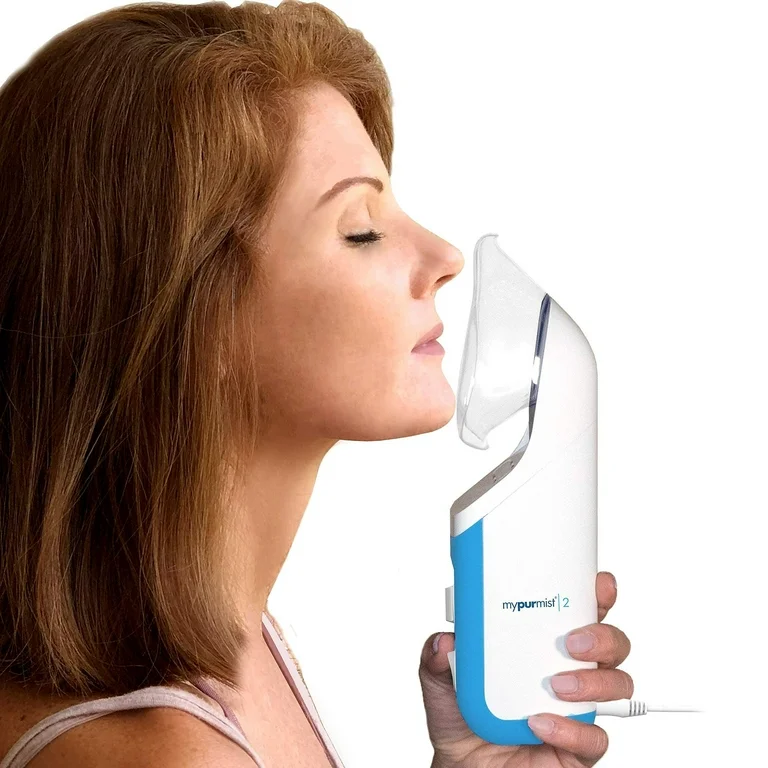
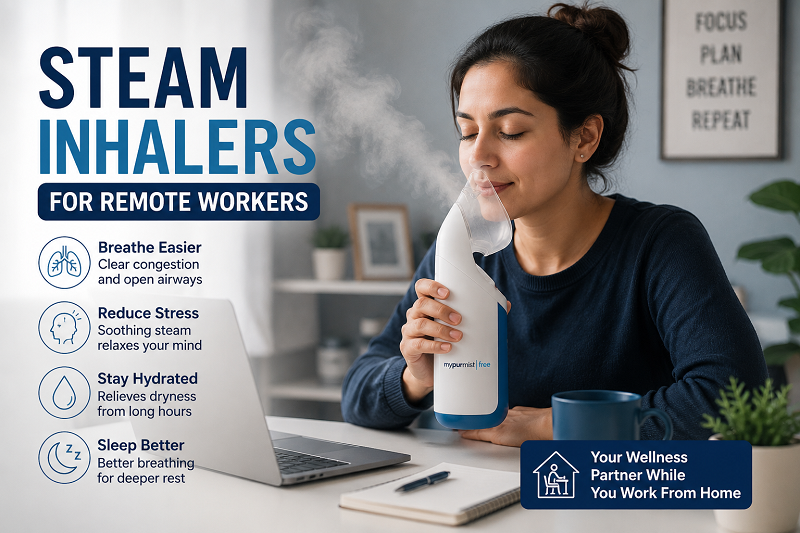
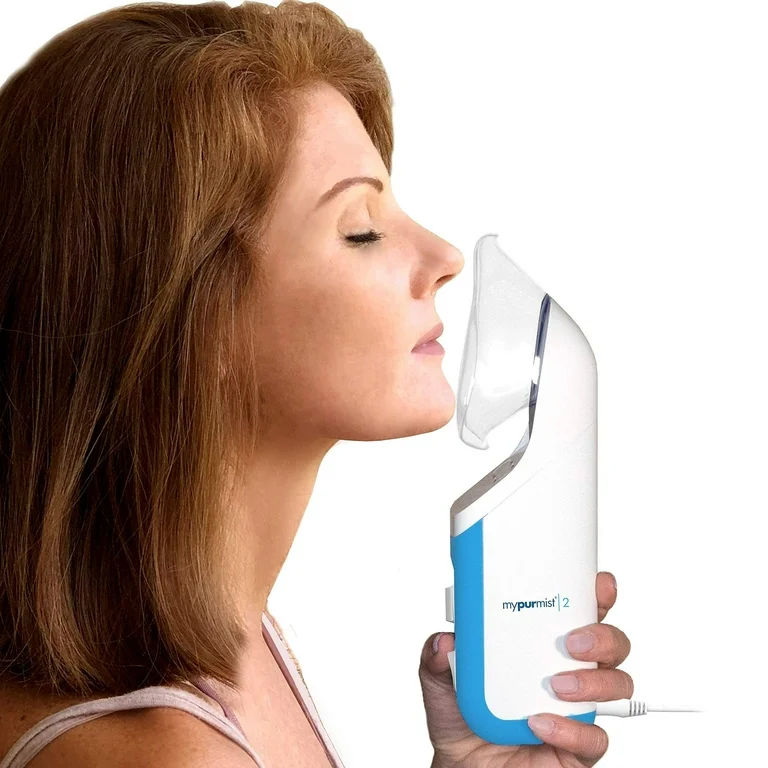
Steam inhalation is one of the most effective natural remedies for sinus pressure relief. Warm, moist air helps to loosen thickened mucus, soothe inflamed nasal passages, and encourage proper drainage — all without medication.
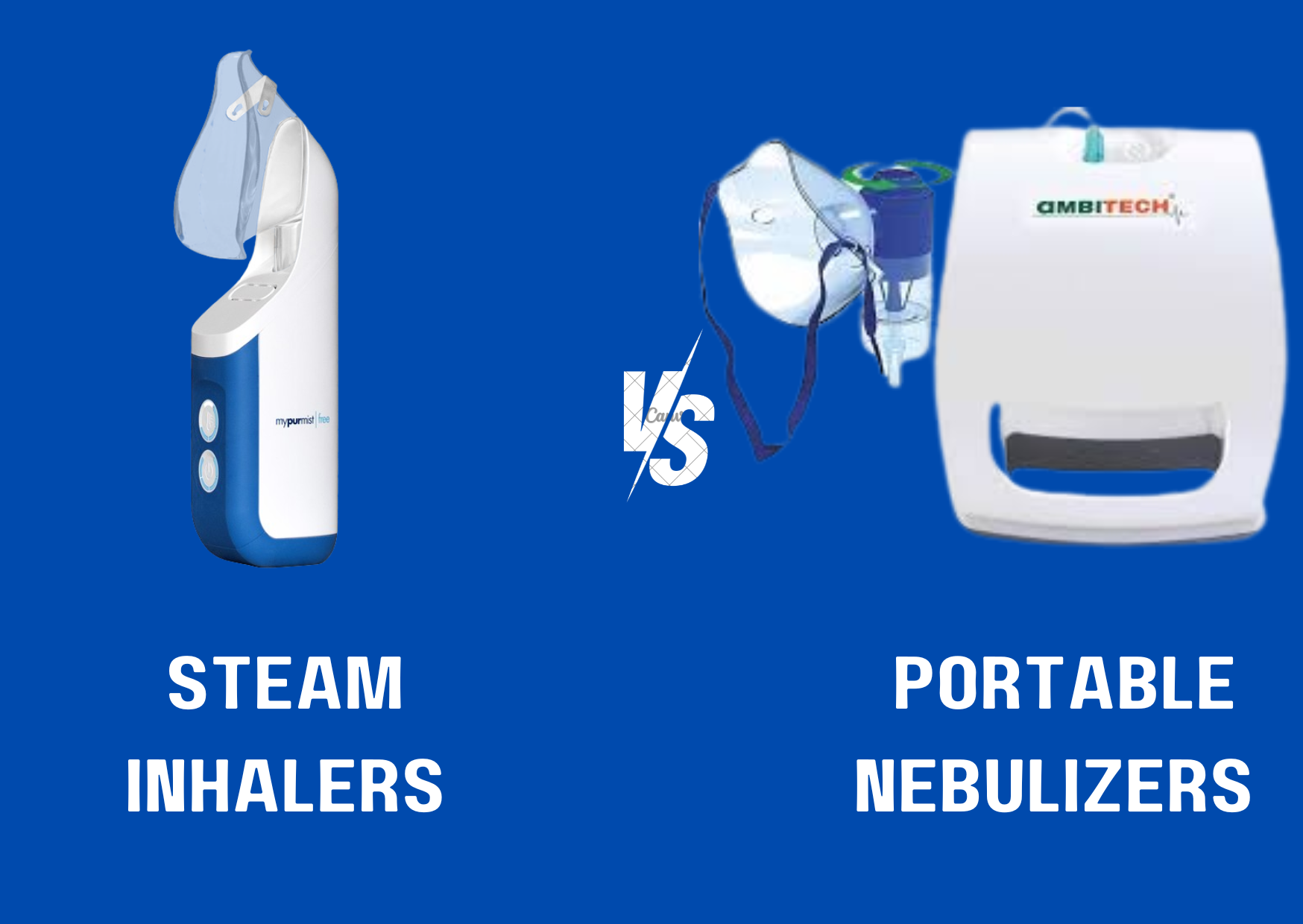
Traditionally, people have leaned over a bowl of hot water with a towel over their head, but this method is inefficient, messy, and can be uncomfortable for the eyes and skin. A personal steam inhaler delivers a controlled, therapeutic mist directly to the nasal and sinus passages, offering more targeted and consistent relief.
Look for a device with these features for the best results:
- HEPA filtration – to ensure the mist is free of germs, allergens, and pollutants
- Ultrapure water – so you're not inhaling anything that could aggravate your symptoms further
- Adjustable temperature settings – for a comfortable, customised experience
Steam therapy is drug-free, doesn't carry the rebound effects associated with decongestant sprays, and is gentle enough for regular use — making it one of the safest long-term options for people who experience recurring sinus pressure.
2. Stay Hydrated
Dehydration thickens mucus, making it harder for your sinuses to drain naturally. Drinking plenty of water throughout the day helps thin mucus and supports your body's natural drainage process. Warm fluids — like herbal tea or broth — can be especially soothing, as the warmth combined with the steam rising from the liquid offers a mild, natural decongestant effect.
3. Apply a Warm Compress
Placing a warm, damp cloth over your nose, cheeks, and forehead can help ease sinus pain by relaxing the surrounding tissue and encouraging blood flow to the area. This simple method won't clear congestion on its own, but it's a comforting way to reduce the ache that often accompanies sinus pressure, especially when used alongside steam inhalation.
4. Use Saline Rinses Carefully
Saline sprays or rinses can help flush out irritants and thin mucus. However, many people find neti pots and sinus rinses uncomfortable, and if not used correctly, they can cause a sensation of water entering the throat or ears. If you find rinses too harsh, a fine, warm mist from a steam inhaler offers similar hydrating benefits to the nasal passages without the same discomfort.
5. Elevate Your Head While Sleeping
Lying flat can allow mucus to pool in your sinuses overnight, worsening pressure and congestion by morning. Propping yourself up with an extra pillow encourages better drainage while you sleep, helping you wake up with less pressure and a clearer head.
6. Avoid Common Irritants
If your sinus pressure is linked to allergies, minimising your exposure to triggers can make a significant difference. This might include:
- Keeping windows closed during high pollen periods
- Using air purifiers indoors
- Avoiding cigarette smoke and strong chemical scents
- Washing bedding regularly to reduce dust mites and allergens
Reducing your exposure to these irritants won't eliminate sinus pressure entirely, but it can reduce the frequency and severity of flare-ups.
7. Practice Gentle Facial Massage
Gently massaging the sinus points — around the bridge of the nose, under the eyes, and along the eyebrows — can help stimulate drainage and provide temporary relief from pressure. This is a simple, no-cost technique that can be combined with any of the other methods above for added comfort.
8. Manage Humidity Levels at Home
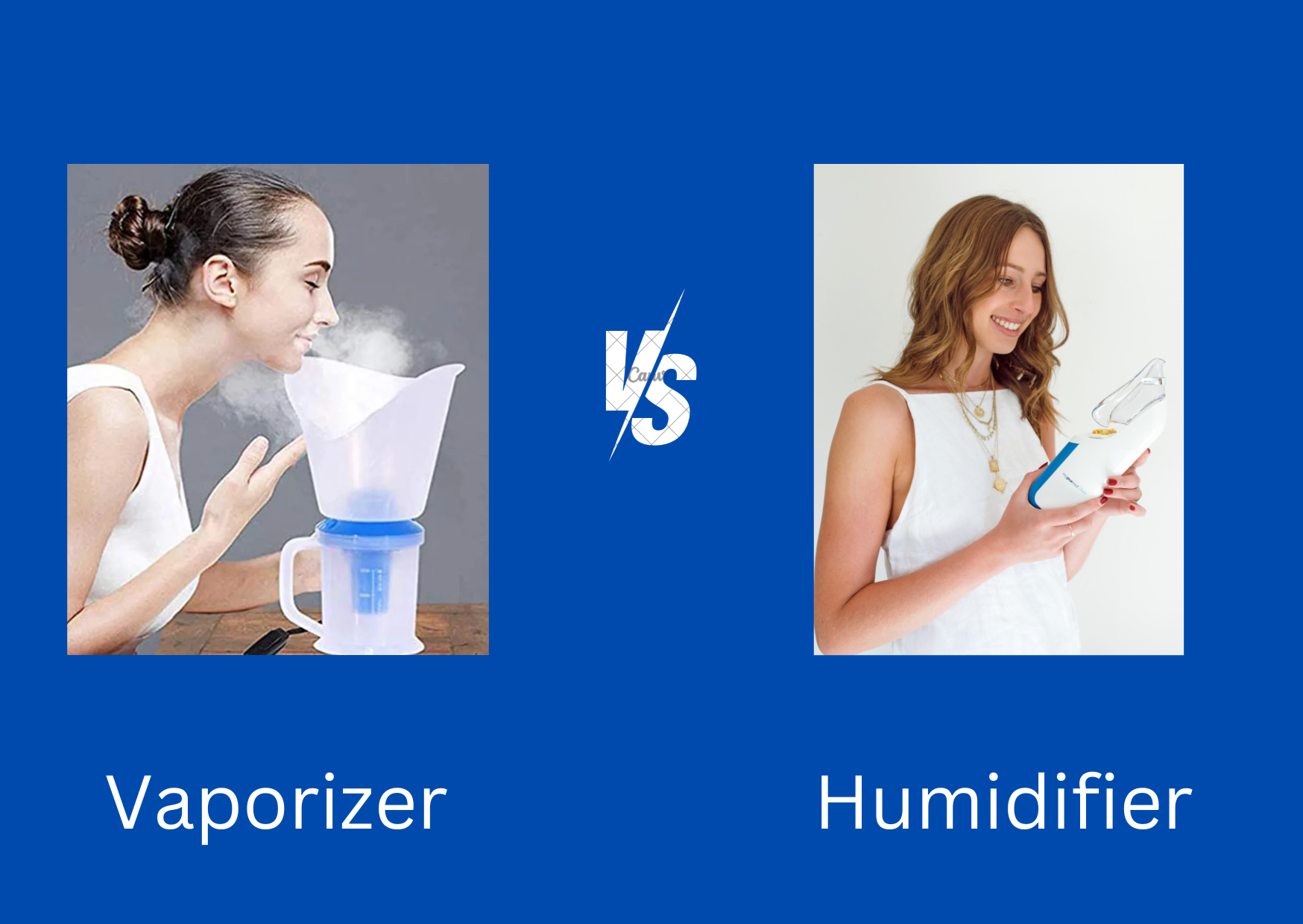
Dry air can irritate the sinuses and make congestion worse, while air that's too humid can encourage mould growth, which is another common sinus irritant. Aim for a balanced indoor humidity level, and consider using a personal steam inhaler as a targeted alternative to room humidifiers, which can be harder to maintain and may contribute to mould if not cleaned properly.
When to See a Doctor
While natural remedies are effective for managing everyday sinus pressure, it's important to know when professional care is needed. You should speak with a doctor if you experience:
- Sinus pressure lasting longer than 10 days
- A high fever
- Severe facial pain or swelling
- Thick, discoloured discharge accompanied by other worsening symptoms
These could be signs of a bacterial sinus infection that may require medical treatment.
Final Thoughts
Sinus pressure doesn't have to mean reaching for medication every time symptoms flare up. Simple, natural approaches — particularly steam inhalation — can provide effective, drug-free relief by directly addressing the root cause: inflamed, congested sinus passages. Combined with good hydration, smart lifestyle habits, and awareness of your personal triggers, these methods can help you manage sinus pressure comfortably and naturally, without the side effects that often come with over-the-counter medications.
If you experience sinus pressure regularly, incorporating steam therapy into your routine may offer one of the most consistent and natural ways to find relief, any time it strikes.