Is a Steam Inhaler Better Than a Nebuliser?

If you've been researching ways to manage congestion, sinus pressure, or a respiratory condition, you've probably come across both steam inhalers and nebulisers as options. They can sound similar at first — both involve breathing in a fine mist to help your airways — but they're actually built for quite different purposes.
This guide breaks down what a steam inhaler and a nebuliser each do, how they differ, and which one is the right fit depending on what you're trying to treat.
What Is a Steam Inhaler?
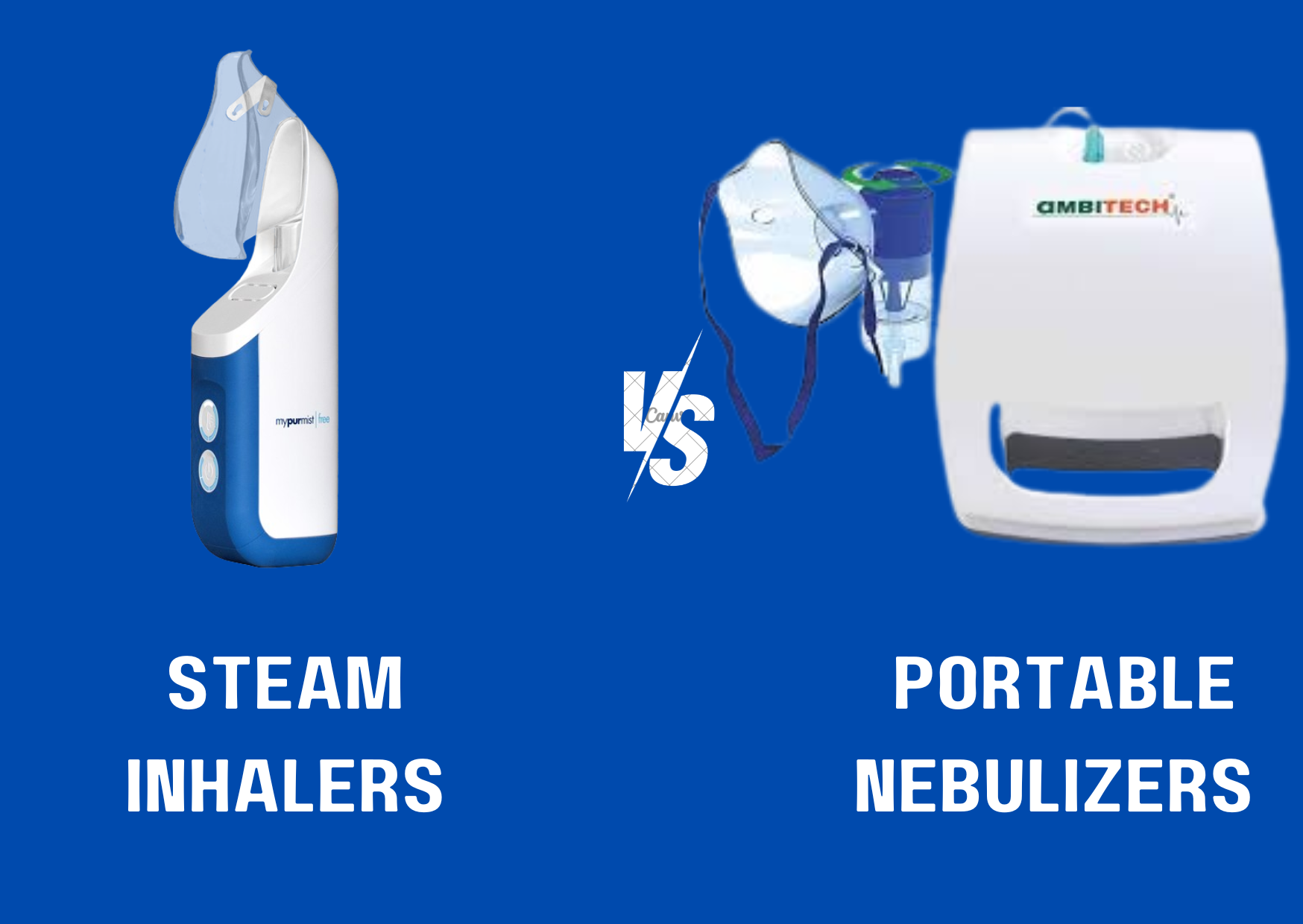
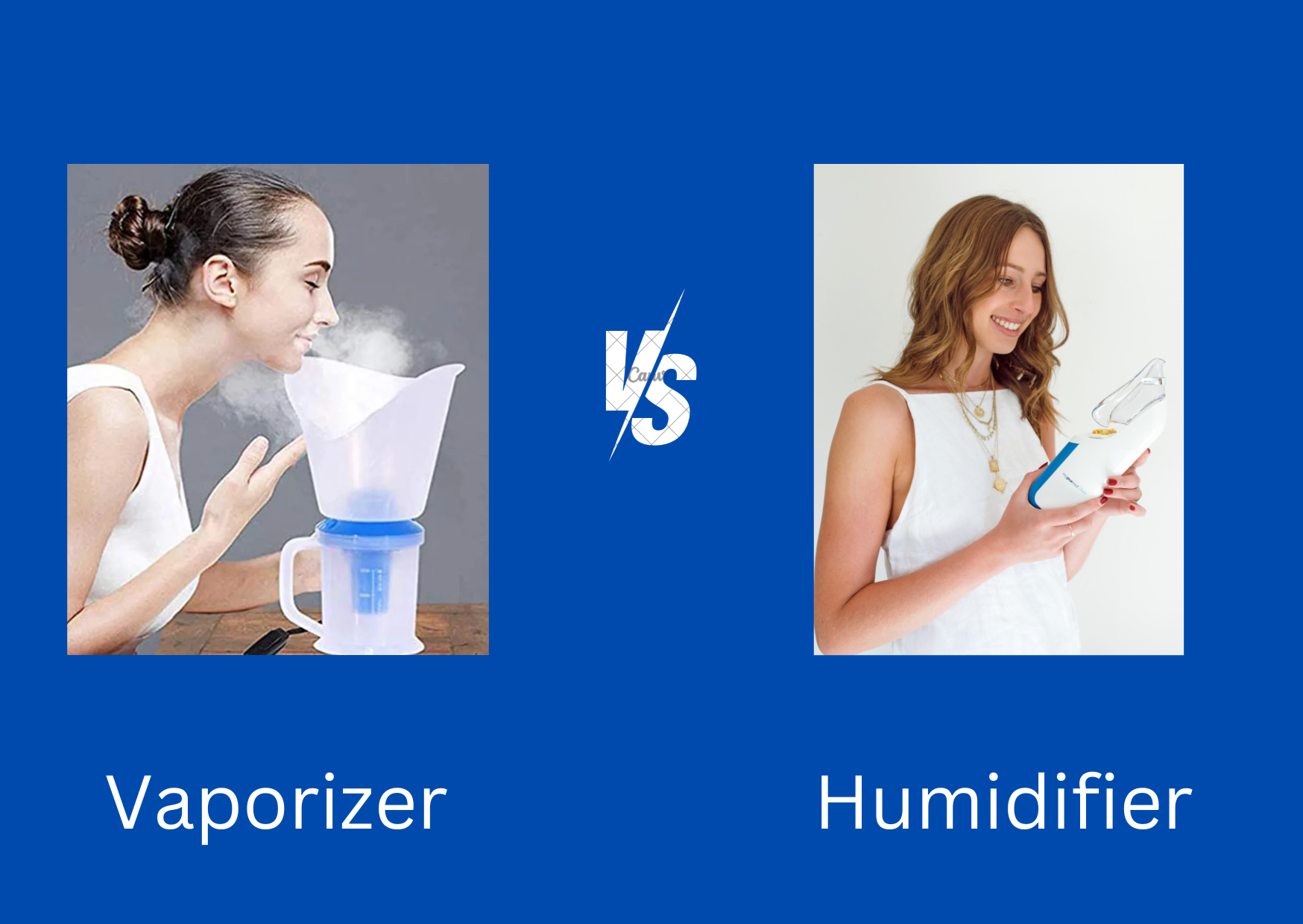
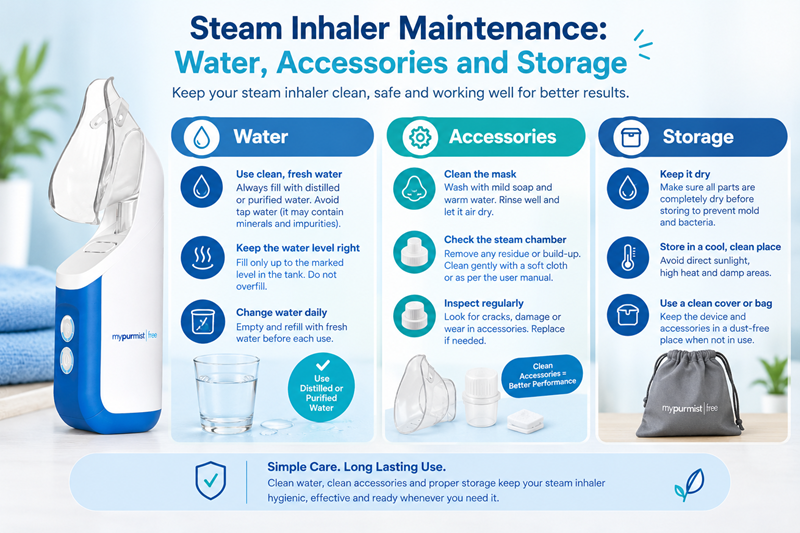
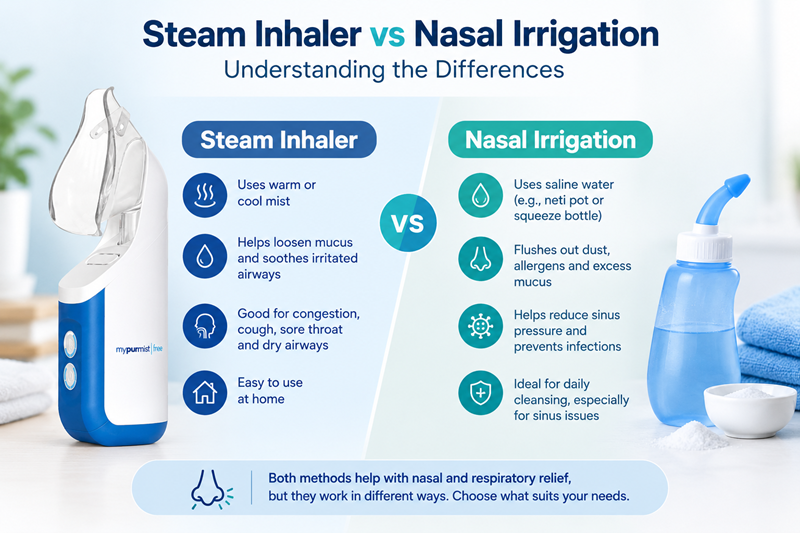
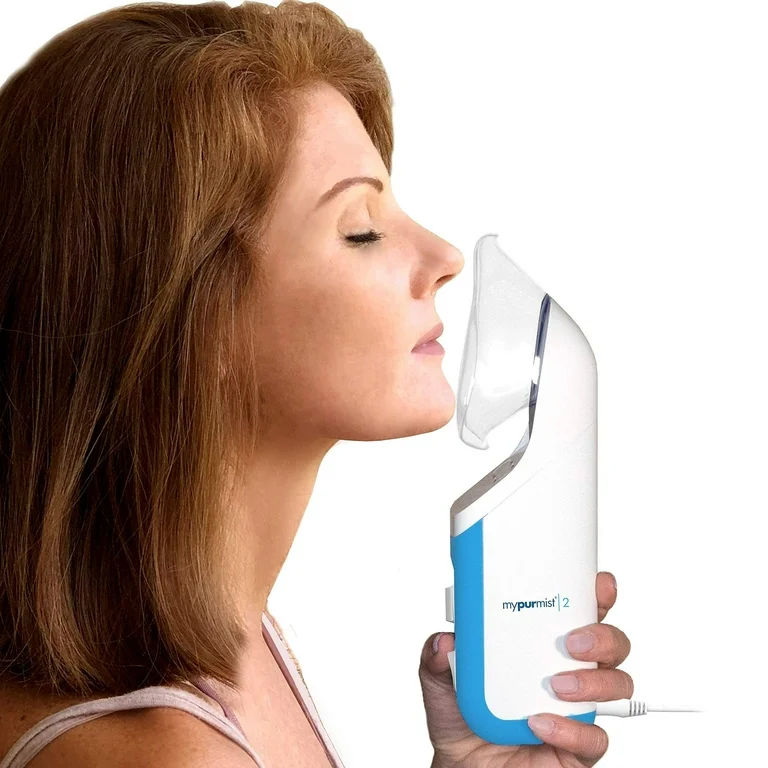
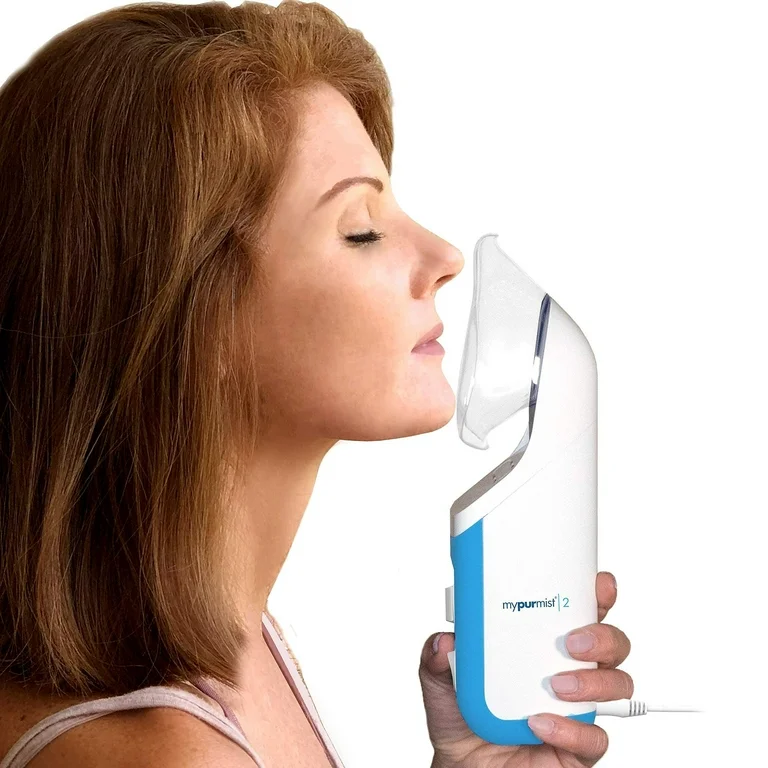
A steam inhaler delivers warm, moist steam directly to your nasal passages, sinuses, or throat. The idea is simple: heat and moisture help loosen mucus, soothe inflamed or irritated tissue, and ease congestion caused by colds, hayfever, sinusitis, or dry air. A personal steam inhaler like MyPurmist uses ultrapure sterile water and medical-grade HEPA filtration to produce a clean, germ-free mist, with adjustable temperature control so the therapy stays comfortable and safe.
Steam inhalation is a natural, drug-free therapy. There's no medication involved — the steam itself is the treatment, working through moisture and warmth rather than any active pharmaceutical ingredient.
What Is a Nebuliser?
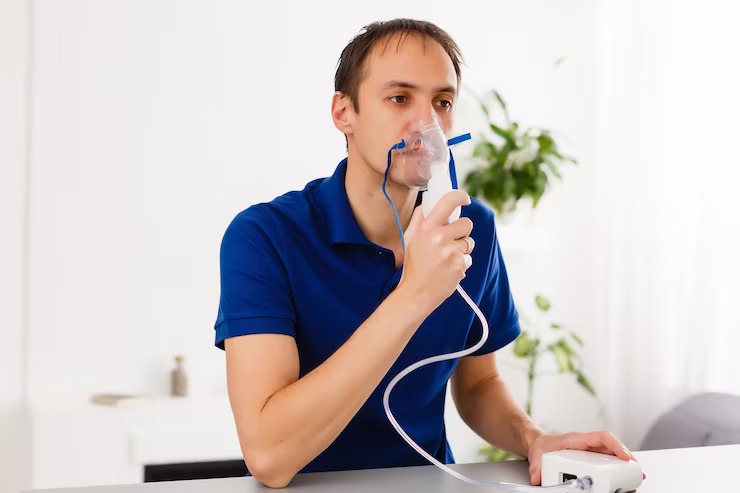
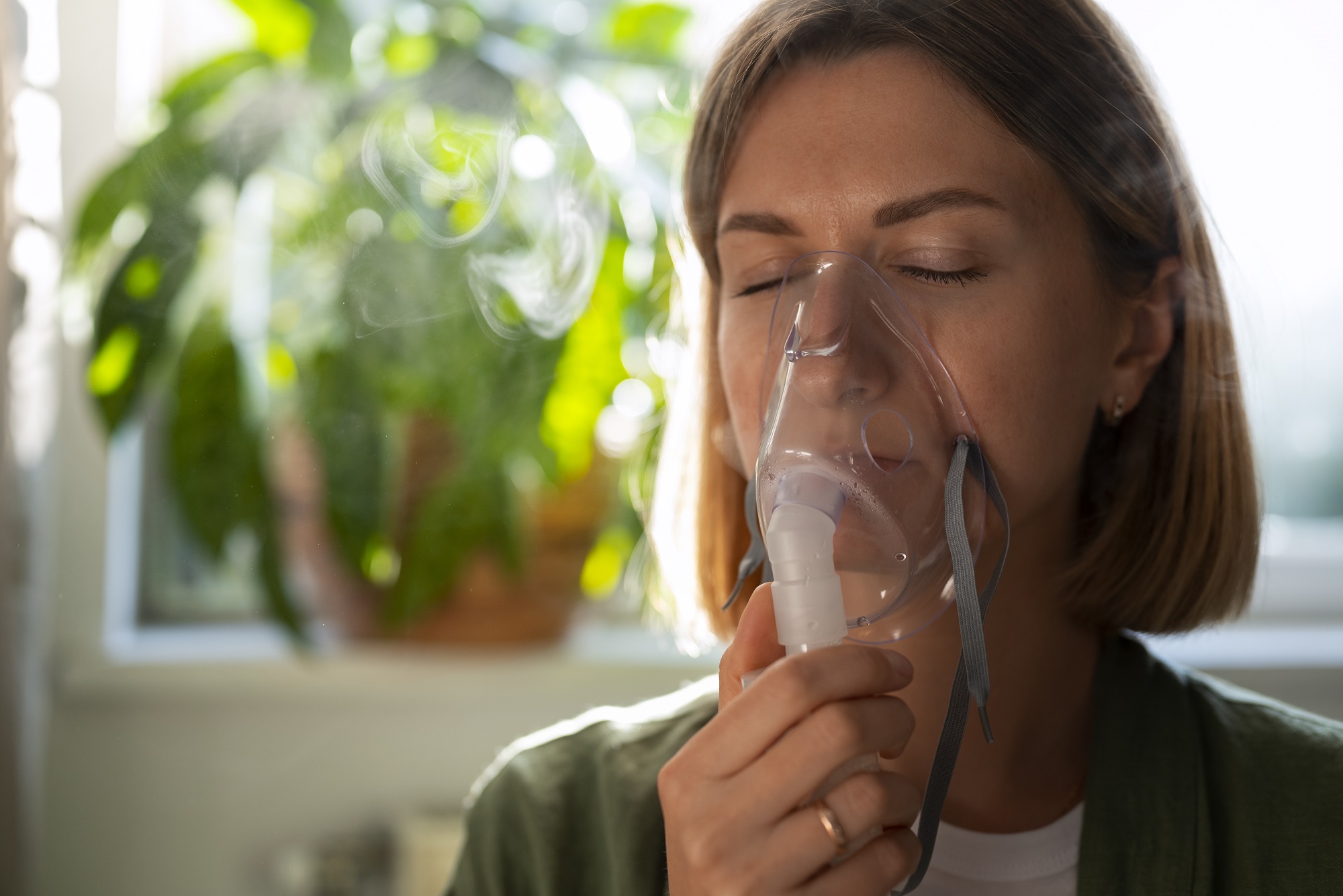
A nebuliser is a medical device that turns liquid medication into a fine aerosol mist, which is then breathed in through a mask or mouthpiece, typically to treat conditions like asthma, COPD, or other diagnosed respiratory conditions. Rather than plain water or steam, a nebuliser delivers medication — such as bronchodilators or corticosteroids prescribed by a doctor — directly into the lungs.
This is the key distinction: a nebuliser is a drug delivery device, while a steam inhaler is a drug-free therapy device. They're built to do fundamentally different jobs.
Steam Inhaler vs Nebuliser: The Core Differences
|
Steam Inhaler |
Nebuliser |
|
|
What it delivers |
Warm, filtered steam (ultrapure water) |
Liquid medication turned into a fine mist |
|
Requires a prescription |
No |
Usually yes, for the medication used |
|
Best suited for |
Colds, hay fever, sinus congestion, dryness, laryngitis, general respiratory comfort |
Diagnosed conditions like asthma or COPD requiring medicated treatment |
|
How it works |
Heat and moisture loosen mucus and soothe irritated passages |
Medication opens airways or reduces inflammation directly in the lungs |
|
Natural / drug-free |
Yes |
No — depends entirely on prescribed medication |
|
Everyday use |
Can be used regularly for general congestion and comfort |
Typically used as directed by a doctor for a specific condition |
When a Steam Inhaler Makes More Sense
A steam inhaler is generally the better fit if you're dealing with:
- A cold or flu and want relief from a blocked or runny nose
- Hay fever or seasonal allergies, where warm steam can help wash away pollen and soothe irritated nasal passages
- Sinus congestion or sinus pressure from a cold, allergies, or dry air
- Dryness in the nose, throat, or sinuses, especially common with air conditioning or heating
- Laryngitis or vocal strain, where singers and vocalists often use steam to hydrate and soothe the vocal cords
- A general, ongoing wellness routine to support respiratory comfort without relying on medication
Because a steam inhaler doesn't involve medication, it's also a therapy many people feel more comfortable using often — some people include steam inhalation as part of a regular routine, not just when symptoms flare up.
When a Nebuliser Is Necessary
A nebuliser is the right tool when you have a diagnosed respiratory condition that requires medication to manage, such as:
- Asthma, where a bronchodilator is needed to open the airways during a flare-up
- COPD (chronic obstructive pulmonary disease), which often requires ongoing medicated treatment
- Other conditions where a doctor has specifically prescribed nebulised medication
In these cases, steam alone isn't a substitute for prescribed medication. If you have asthma, COPD, or another diagnosed lung condition, your treatment plan should be guided by your doctor, and a nebuliser (or inhaler/puffer) prescribed for that condition should remain your primary treatment.
Can You Use Both?
For some people, yes — the two devices serve different purposes and aren't mutually exclusive. Someone with asthma, for example, might use a prescribed nebuliser or puffer to manage their asthma, while also using a steam inhaler separately to ease general congestion from a cold or hayfever. The important thing is not to treat steam inhalation as a replacement for prescribed asthma or COPD medication — if you have a diagnosed condition, always follow your doctor's treatment plan first, and check with them before adding steam therapy to your routine, particularly if you have severe asthma.
Which One Should You Choose?
It really comes down to what you're treating:
- If you're dealing with everyday congestion — colds, hay fever, sinus pressure, dryness, or general respiratory comfort — a steam inhaler offers a natural, drug-free way to find relief, without the ongoing cost or need for prescribed medication.
- If you have a diagnosed respiratory condition like asthma or COPD, a nebuliser prescribed and guided by your doctor is the appropriate medical treatment, and steam inhalation should only ever be a complement to that care, not a substitute.
A Natural Option for Everyday Respiratory Comfort
For the millions of Australians dealing with colds, hay fever, sinus congestion, or dry, irritated nasal passages rather than a diagnosed lung condition, a steam inhaler offers a simple, natural, and drug-free way to breathe easier — without medication, side effects, or a prescription.
MyPurmist's range of personal steam inhalers uses medical-grade HEPA filtration and ultrapure sterile water to deliver a clean, temperature-controlled therapeutic mist, available in both a cordless MyPurmist Free and plug-in MyPurmist 2 version. Explore the full range on our shop page — proudly the only official Australian and New Zealand importer.